How Much to Install Metal Roof?
Metal roofing has gained popularity in recent years due to its durability, energy efficiency, and aesthetic appeal. If you're considering a metal roof for your home, one of the first questions you might have is about the cost.
Factors Affecting Metal Roof Installation Costs
Several elements contribute to the overall cost estimate of installing a metal roof. Understanding these metal roofing cost factors can help you better estimate the potential cost for your specific project. The complexity of your roof, the chosen materials, and even your geographical location can all play significant roles in determining the final price.
By familiarizing yourself with these variables, you'll be better equipped to make informed decisions and potentially identify areas where you might be able to optimize metal roofs cost without compromising on quality. It's important to note that while some roof replacement factors may increase the initial investment, they often contribute to long-term savings through increased durability and energy efficiency. When considering the total cost to replace a roof, these factors become important in developing an accurate budget.
Roof Size and Complexity
The physical characteristics of your roof play a major role in determining the overall cost of your metal roof installation. These factors not only affect the amount of materials needed but also influence the complexity and duration of the installation process. Let's examine the elements that impact the cost:
- Roof Size: The roofs square footage directly impacts material quantity and installation time
- Roof Pitch: Steeper roofs require more safety precautions and labor
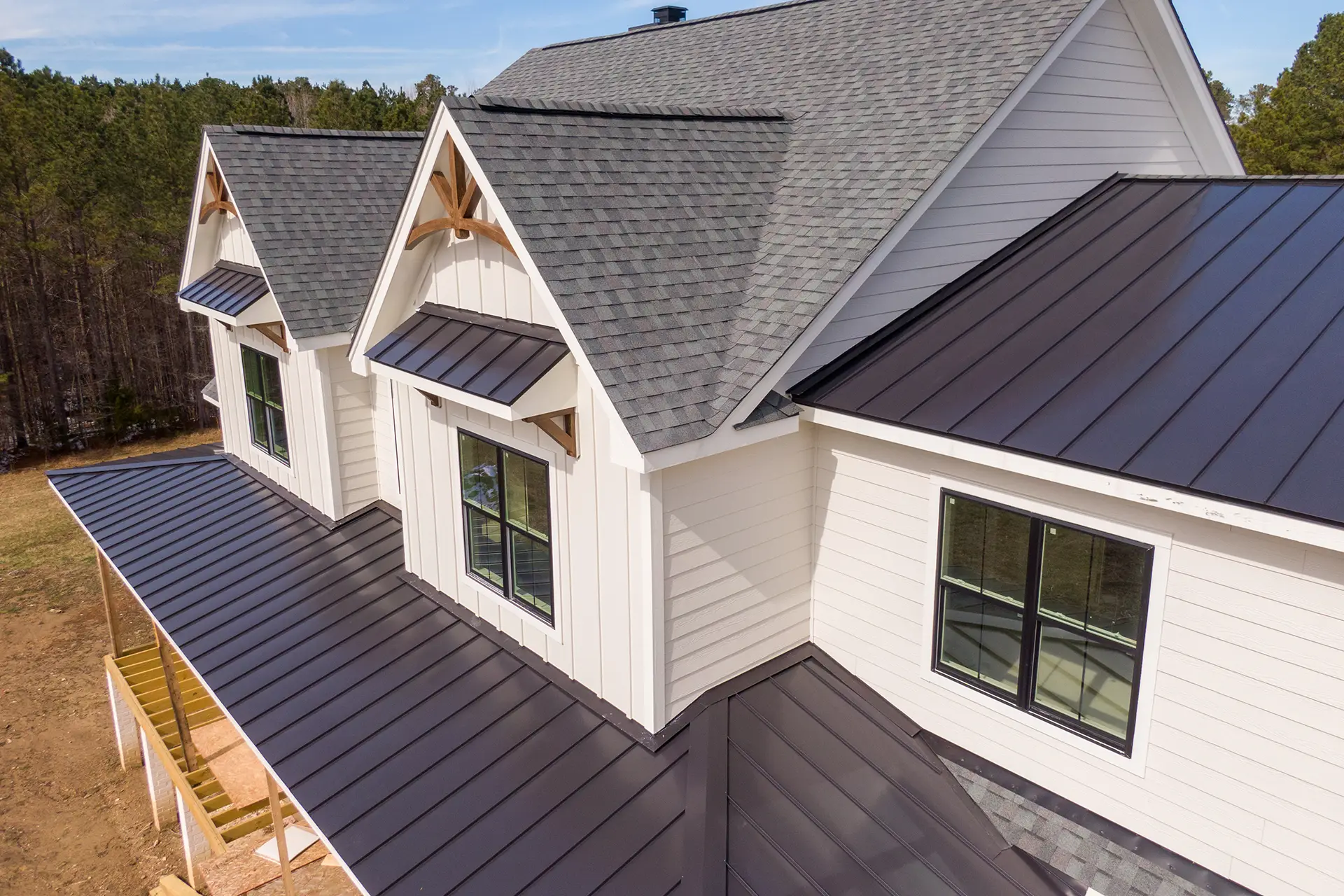
- Roof Shape: Complex designs with multiple angles or dormers increase costs
When estimating your project cost, it's important to consider how these factors interplay. For instance, a large roof with a simple design might be less expensive per square foot than a smaller, more complex roof. Always consult with a professional roofing contractor to get an accurate assessment based on your specific roof characteristics.
Metal Roof Type and Material
The material you choose for your metal roof is perhaps one of the most significant factors affecting the overall cost. Different metals offer varying levels of durability, aesthetics, and performance. Your choice will depend on your budget, climate conditions, and personal preferences. Here are some common options:
- Steel Roof: Generally more affordable, available in galvanized or Galvalume finishes
- Aluminum: Lightweight and corrosion-resistant, typically mid-range in price
- Copper: Highly durable and attractive, but also the most expensive option
- Zinc: Long-lasting and low-maintenance, priced similarly to copper
Each of these materials has its own unique properties that can affect not only the initial cost but also long-term maintenance and energy efficiency. Consider factors such as your local climate, the architectural style of your home, and your long-term plans when selecting a material. A more expensive option upfront might prove more cost-effective over the life of the roof.
Installation Method
The method used to install your metal roof can significantly impact both the initial cost and the long-term performance of your roofing system. Different installation techniques offer varying levels of weather protection and aesthetic appeal. The two main types of metal roof installations are:
- Standing Seam Metal Roof: Seam metal roofing installation has a higher upfront cost but offers superior weather protection
- Exposed Fastener Metal Roof: More affordable but may require more maintenance over time
Your choice of installation method should take into account your budget, climate conditions, and aesthetic preferences. While standing seam roofs are generally more expensive, they often provide better long-term value due to their superior durability and weather resistance. Consult with a roofing professional to determine which method is best suited for your specific needs.
Additional Components
When budgeting for your metal roof installation, it's helpful to consider more than just the metal panels themselves. A complete roofing system includes several additional components that are important for the roof's proper function and longevity. These elements, while often overlooked, play an important role in protecting your home and ensuring the roof's performance:
- Underlayment
- Insulation
- Fasteners and clips
- Flashing and trim
- Ridge caps and vents
The quality and type of these additional components can significantly affect the overall performance of your metal roof. For example, high-quality underlayment can provide extra protection against water infiltration, while proper insulation can improve your home's energy efficiency. When requesting quotes, be sure to ask about the specific components included and their quality to ensure you're getting a comprehensive and effective roofing system.
Long-Term Value of Metal Roofs
When considering a new roof, it's important to look beyond the initial price tag and evaluate the long-term benefits. Metal roofs, while often more expensive upfront, offer significant advantages that can translate into substantial savings over time. These benefits not only contribute to the overall value of your home but also provide peace of mind knowing you have a durable, long-lasting roofing solution.
While the initial metal roof cost may be higher than traditional roofing materials, it's smart to consider the long-term value:
- Longevity: Metal roofs can last 50+ years, compared to 15-30 years for asphalt shingles
- Energy Efficiency: Reflective properties can lead to lower cooling costs
- Durability: Resistant to wind, fire, and impact damage
- Low Maintenance: Minimal upkeep required over the life of the roof
These factors can contribute to significant savings over time, potentially offsetting the higher upfront cost.
Comparing Metal Roofs to Other Roofing Materials
To fully appreciate the benefits of metal roofing, it's helpful to compare it with other popular roofing options. This comparison can provide valuable insights into the unique advantages of metal roofs and help you make an informed decision for your home. Let's examine how metal roofs stack up against two common alternatives:
Metal Roof vs. Asphalt Shingle Roof
Asphalt shingles are the most common roofing material in North America, largely due to their affordability. However, when compared to metal roofs, there are several differences to consider:
- Lifespan: Metal (50+ years) vs. Asphalt (15-30 years)
- Initial Cost: Metal (higher) vs. Asphalt (lower)
- Energy Efficiency: Metal (high) vs. Asphalt (moderate)
- Maintenance: Metal (low) vs. Asphalt (moderate)
Metal Roof vs. Tile Roof
Tile roofs are known for their distinctive appearance and durability. However, they differ from metal roofs in several important aspects. When considering an estimate for replacing a tile roof, it's smart to compare it with the cost and benefits of a metal roof installation. Here's how they stack up:
- Weight: Metal (lightweight) vs. Tile (heavy, may require structural reinforcement)
- Durability: Metal (highly resistant) vs. Tile (prone to cracking)
- Style Options: Metal (versatile) vs. Tile (limited to specific architectural styles)
- Cost: Metal (varies) vs. Tile (generally expensive)
While tile roofs can last for decades, the potential need for structural reinforcement and the risk of cracking can add to their long-term costs. Metal roofs, on the other hand, offer durability without the added weight, making them suitable for a wider range of structures. When comparing these options, consider not just the initial installation cost, but also long-term maintenance and potential repair expenses.
Financing Options for Metal Roof Installation
The higher initial cost of a metal roof can be a significant consideration for many homeowners. However, there are various financing options available that can make this investment more manageable. By spreading the cost over time, you can enjoy the benefits of a metal roof without straining your budget. Here are some common financing options to consider:
- Home equity loans or lines of credit
- Roofing company financing programs
- Personal loans
- Government-backed home improvement loans
Be sure to compare interest rates and terms to find the best option for your financial situation.
Choosing a Roofing Contractor
The quality of your metal roof installation is just as important as the quality of the materials used. A poorly installed roof can lead to numerous problems, regardless of how high-quality the roofing material is. A comprehensive guide to roof replacement should always emphasize the importance of choosing a qualified professional. Here are some steps to help you choose a reputable professional:
- Get multiple quotes from licensed and insured contractors
- Check references and read online reviews
- Verify experience with metal roof installations
- Ask about warranties on both materials and workmanship
Energy Savings and Incentives
One of the most significant advantages of metal roofs is their potential for energy savings. The reflective properties of metal roofing can significantly reduce your home's cooling costs, especially during hot summer months. Additionally, many regions offer incentives for installing energy-efficient roofing materials. Here's what you need to know:
- Reflective properties reduce heat absorption, lowering cooling costs
- Some metal roofs qualify as "cool roofs," potentially eligible for energy efficiency incentives
- Certain regions offer tax credits or rebates for installing energy-efficient roofing
Check with your local government and utility companies to learn about potential savings opportunities in your area.
Maintenance and Longevity
One of the selling points of metal roofs is their low maintenance requirements. Unlike some other roofing materials that may need frequent repairs or replacement, metal roofs are designed to last for decades with minimal upkeep. This can result in significant savings over the life of your roof. Here's what you can expect in terms of maintenance:
- Annual inspections to check for any damage or loose fasteners
- Occasional cleaning to remove debris and maintain appearance
- Repainting or recoating every 20-30 years to refresh the look and protective finish
Proper maintenance can help your metal roof reach or even exceed its expected lifespan, maximizing your investment.
Environmental Impact
The ecological footprint of building materials is an important consideration for many homeowners. Metal roofs stand out as an environmentally friendly option due to their longevity, energy efficiency, and recyclability. Here are some environmental benefits of metal roofing:
- Recyclable materials
- Energy efficiency reduces carbon footprint
- Long lifespan means less frequent replacement and waste
These factors make metal roofing an eco-friendly choice for those looking to minimize their environmental impact.
Choose Real Roofing Co. as Your Metal Roof Installation Experts
When it comes to installing a metal roof, choosing the right contractor is just as important as selecting the right materials. Real Roofing Co. brings over two decades of roofing expertise to every project, ensuring that your metal roof installation is done right the first time.
As a second-generation roofing contractor, Real Roofing Co. understands the importance of quality craftsmanship and customer satisfaction. Our team's extensive experience with various roofing materials, including metal, allows us to provide expert guidance on the best options for your home and budget.
By choosing Real Roofing Co. for your metal roof installation, you're not just getting a new roof – you're investing in a legacy of excellence and a commitment to creating lasting relationships with our customers. We pride ourselves on delivering a genuine roofing experience that combines affordability with uncompromising quality.
Whether you're ready to explore the benefits of a metal roof or simply want to learn more about how much to install metal roof for your home, Real Roofing Co. is here to help. Contact us today for a personalized consultation and discover why so many homeowners in the Pittsburgh area trust us with their roofing needs.
Frequently Asked Questions
Does a metal roof make a house hotter?
A metal roof does not necessarily make a house hotter. In fact, metal roofs can reflect more sunlight than traditional asphalt roofs, potentially reducing heat absorption and making the attic and living spaces cooler. Additionally, when installed with proper insulation and ventilation, metal roofs can enhance the energy efficiency of a home, maintaining comfortable indoor temperatures throughout the year.
How long do metal house roofs last?
Metal house roofs are known for their durability and longevity, typically lasting between 40 and 70 years, depending on the material type and maintenance. Factors such as the climate, installation quality, and the specific type of metal used (for example, steel, aluminum, copper, or zinc) can influence the lifespan of a metal roof. Regular maintenance can further extend the life expectancy of a metal roof, making it a worthwhile investment for homeowners seeking a long-lasting roofing solution.
Does a metal roof increase home insurance?
Yes, a metal roof can affect home insurance rates, often leading to a decrease rather than an increase. This is because metal roofs are known for their durability, longevity, and fire resistance, making them less risky to insure compared to traditional roofing materials. Many insurance companies recognize these benefits and may offer discounts on premiums for homes with metal roofs.
Is it worth it to put on a metal roof?
Yes, it's generally worth it to install a metal roof due to its several advantages over traditional roofing materials. Metal roofs are known for their durability, longevity (often lasting 40-70 years), and energy efficiency, as they reflect solar radiant heat, which can reduce cooling costs. Additionally, metal roofs can enhance a home's resale value and are available in a variety of styles to suit different architectural designs.
Can you put a metal roof over shingles?
Yes, you can install a metal roof over shingles, provided local building codes allow it and the existing roof structure is in good enough condition to support the additional weight. This method of installation can save on labor and disposal costs associated with removing the old shingles. However, a proper assessment should be made to ensure there are no issues such as rot or structural damage that would need to be addressed prior to installation.